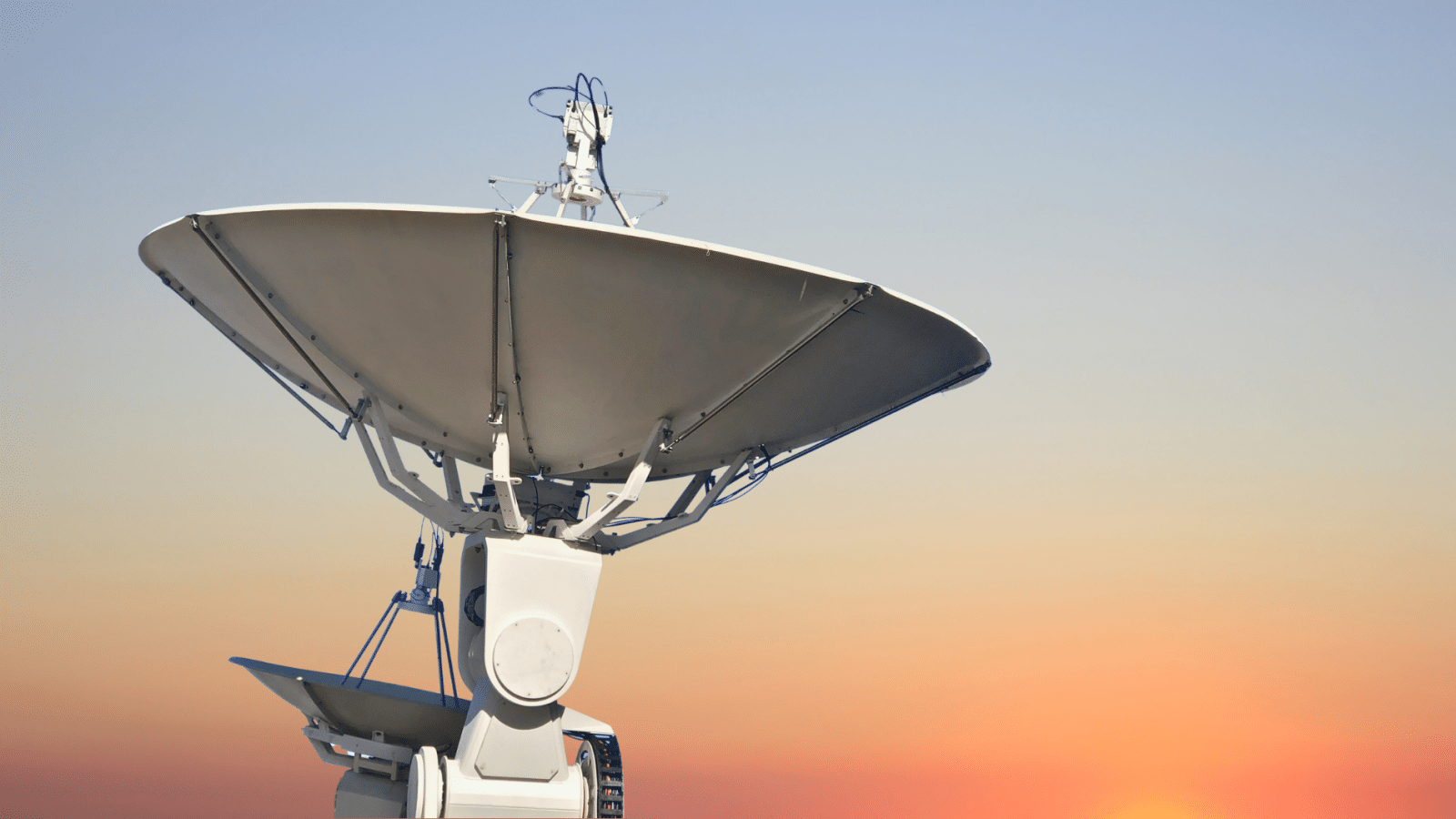
Radomes are engineered protective structures designed to shield satellite ground stations, radar systems, and other terrestrial communications infrastructure from environmental conditions while maintaining RF transparency. The optimal radome solution depends on a range of factors including antenna size, operating frequency, environmental conditions, deployment requirements, availability targets, and whole-of-life cost.
Typically constructed from dielectric materials such as fibreglass, radomes provide structural protection while allowing radio frequency (RF) signals to pass through with minimal attenuation. Material composition, wall thickness, and manufacturing techniques must be carefully engineered to preserve antenna performance across the required operating frequency bands.
In addition to protecting infrastructure from rain, hail, bushfire, ultraviolet exposure, and extreme wind conditions, radomes can improve antenna pointing stability, reduce maintenance requirements, and extend asset life. They can also provide visual concealment by obscuring antenna orientation and movement, a feature often valued at defence, government, and critical communications facilities.
While all radomes serve the same fundamental purpose, not all radome technologies are suited to the same mission. The right solution depends on the operational environment, antenna configuration, performance requirements, and sustainment objectives. Read on to discover which radome technology is best suited to your mission.
The four most common radome technologies are Metal Space Frame, Sandwich Laminate, Geodesic, and Air-Inflatable structures, each offering distinct advantages for different applications.