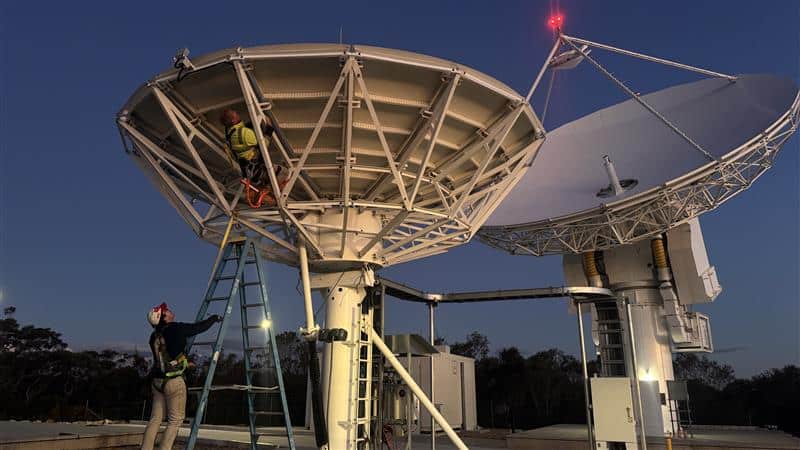
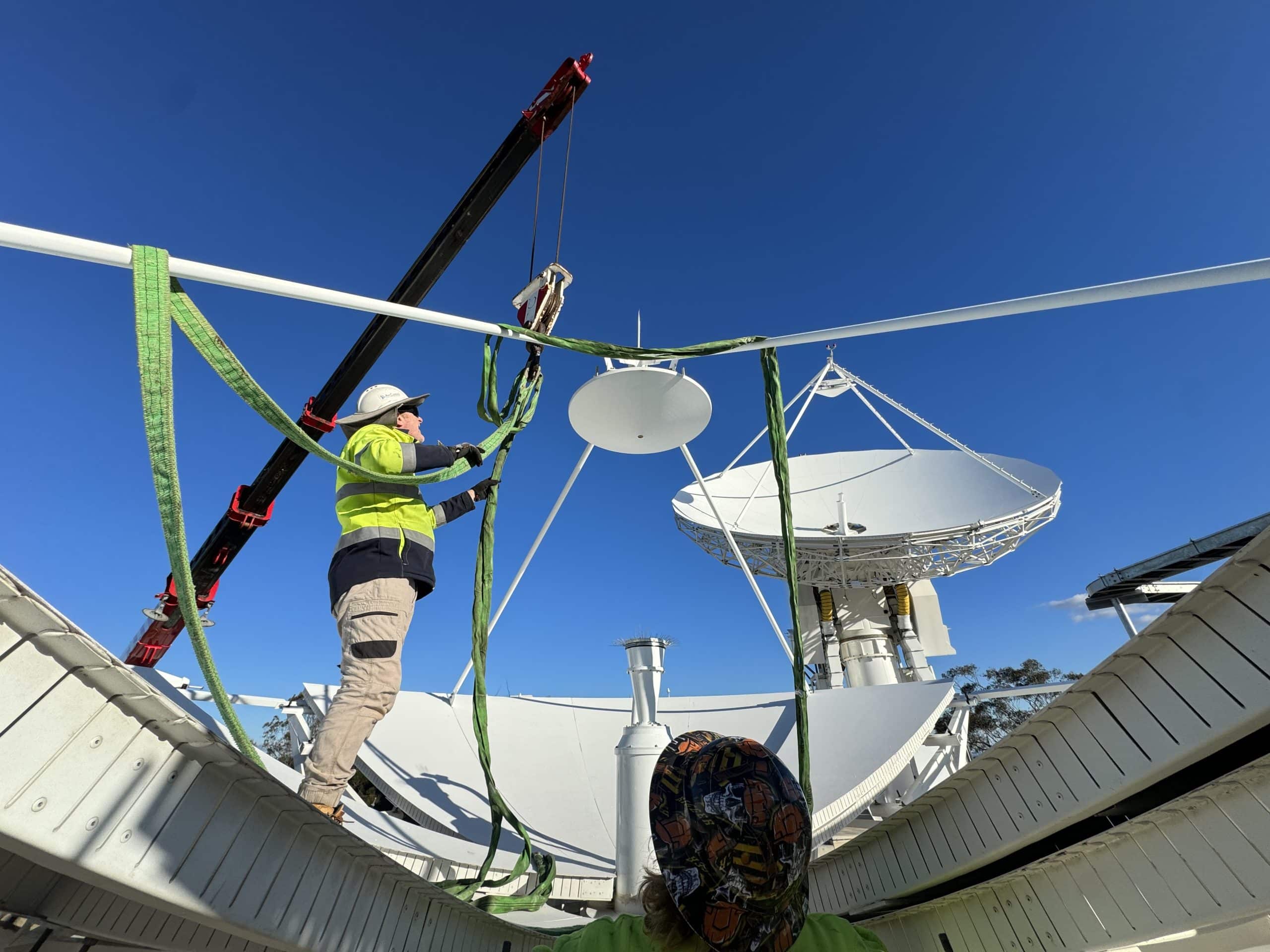
The antenna lifecycle is a term we use to describe the complete scope of activities required to establish, operate, and sustain a satellite ground segment. This lifecycle encompasses every stage of delivery, from site acquisition, design, and civil works through to antenna installation, field services, RF testing, commissioning, and long-term maintenance and sustainment.
Installing an antenna begins with selecting the right site. This process involves a range of assessments, including geotechnical surveys, RF interference and spectrum licensing studies, line-of-sight analysis, and other environmental and operational considerations.
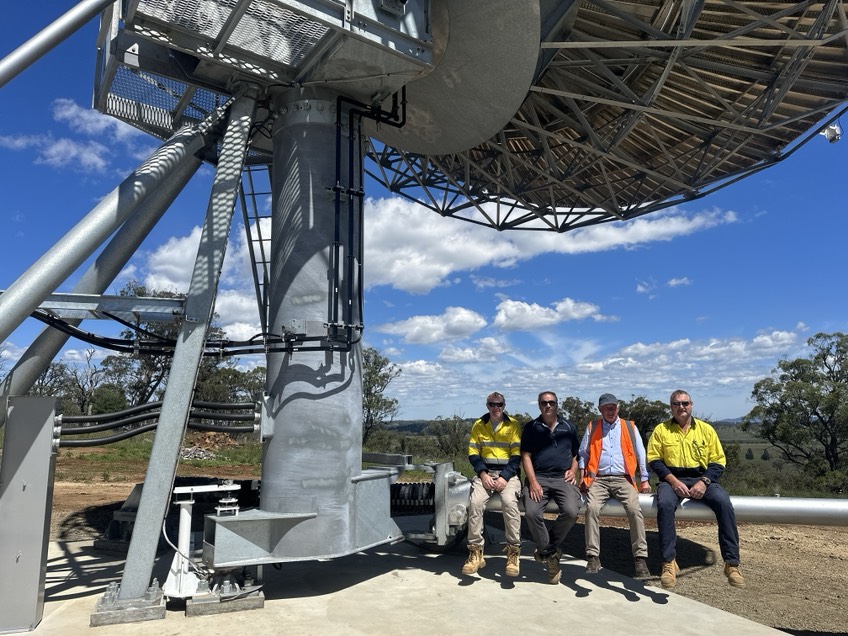
Once a suitable location has been identified, civil works can commence. Antennas often require engineered concrete foundations capable of supporting their weight and withstanding environmental forces. Large parabolic antennas are particularly susceptible to wind loading, making a robust foundation essential for maintaining structural stability and pointing accuracy.
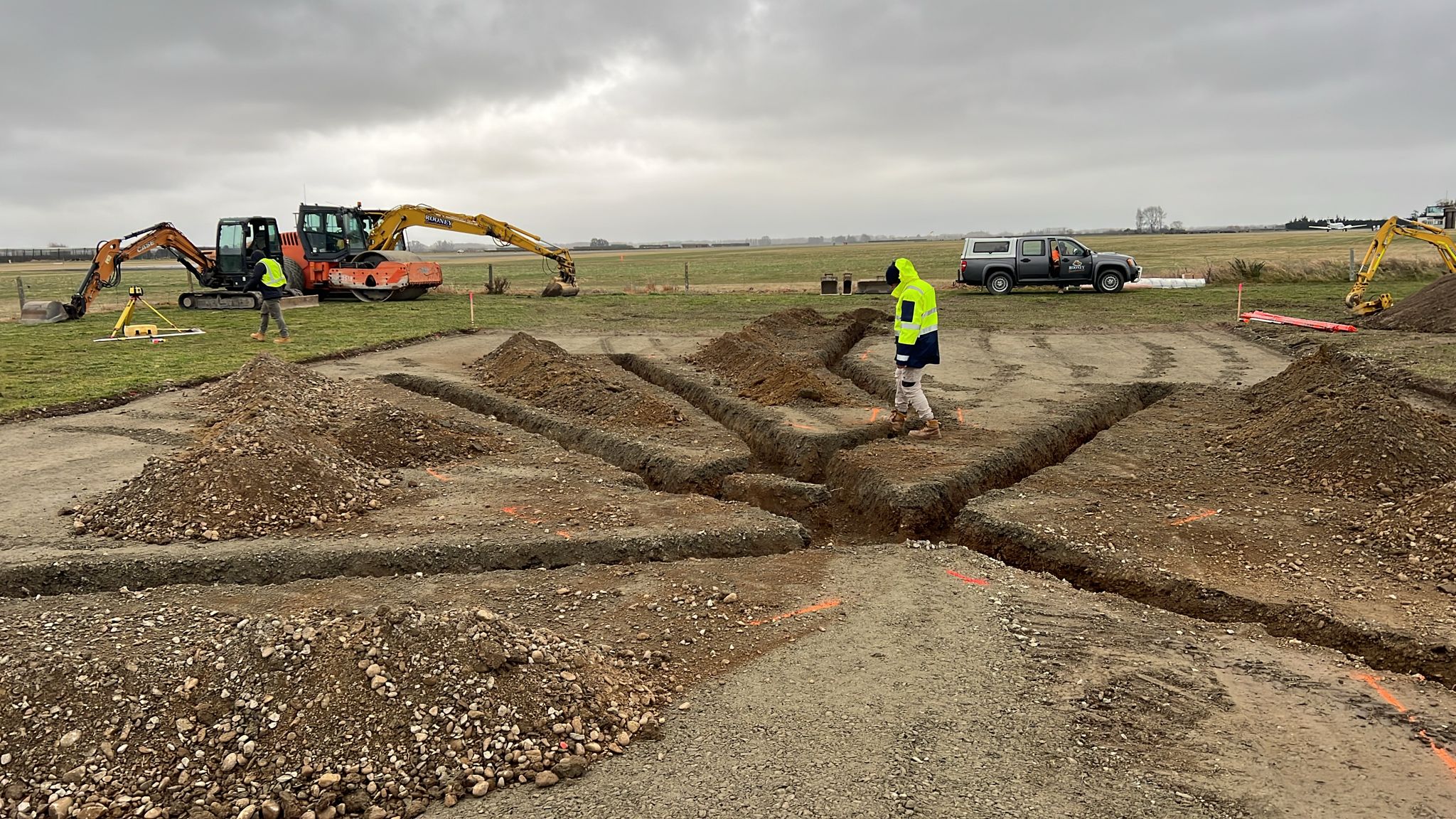
Civil works extend well beyond the antenna pedestal itself. Extensive trenching is often required to support the installation of power, fibre, RF transmission lines, earthing systems, and monitoring infrastructure. These underground services form the critical pathways that connect the antenna to equipment shelters, network infrastructure, and control systems.
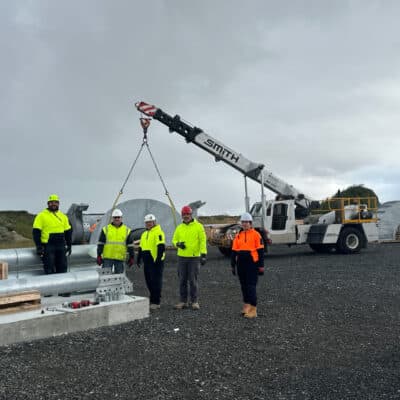
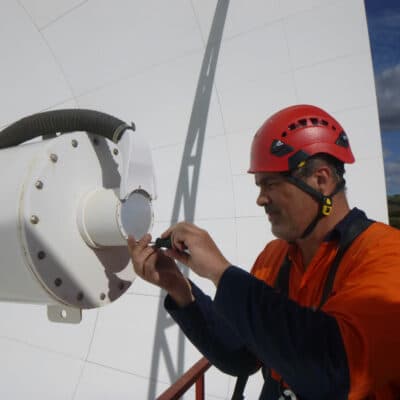
Field personnel often bear the greatest burden. Installation, integration, and commissioning activities can require technicians and engineers to spend weeks away from home, frequently travelling at short notice to meet project deadlines, support critical maintenance activities, or respond to operational issues. Long days, challenging environmental conditions, and extended periods away from friends and family are a routine part of delivering and sustaining ground segment infrastructure.
The successful deployment of an antenna is therefore about far more than concrete, steel, and RF technology. Behind every operational ground station is a dedicated team of professionals whose expertise, commitment, and willingness to work in demanding conditions transform complex engineering designs into mission-critical communications capability.